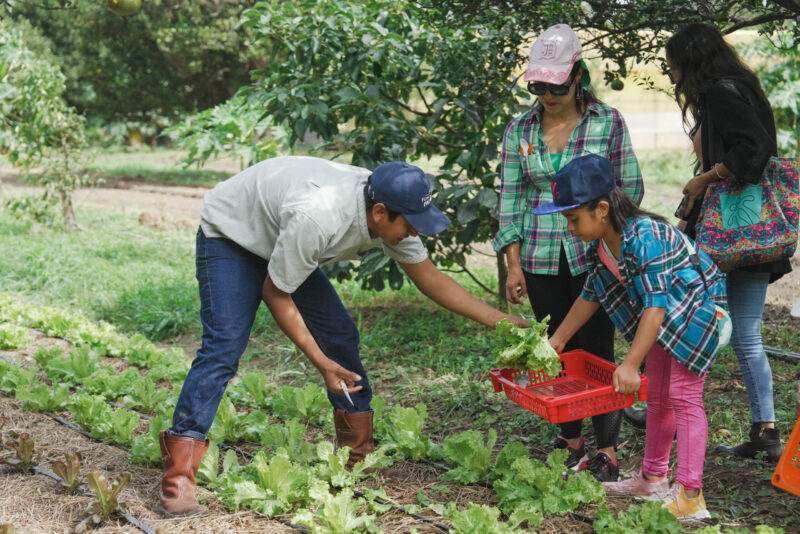
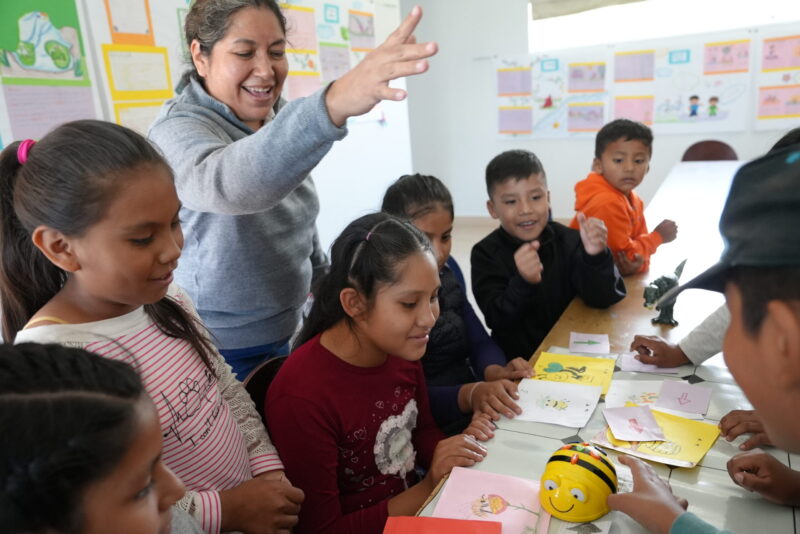
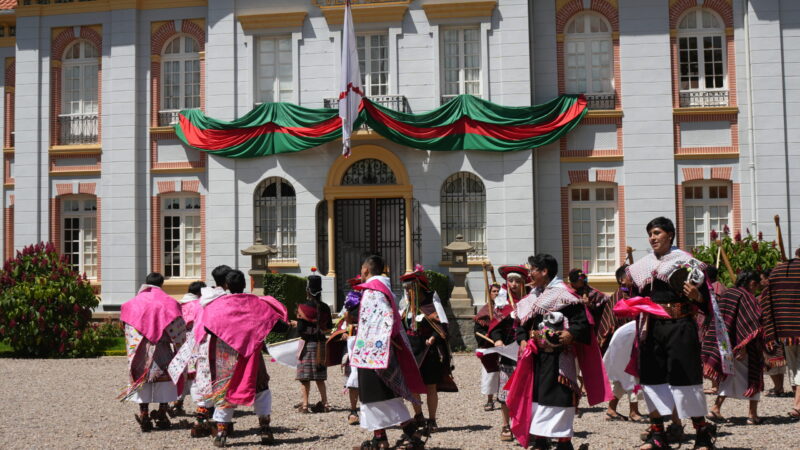
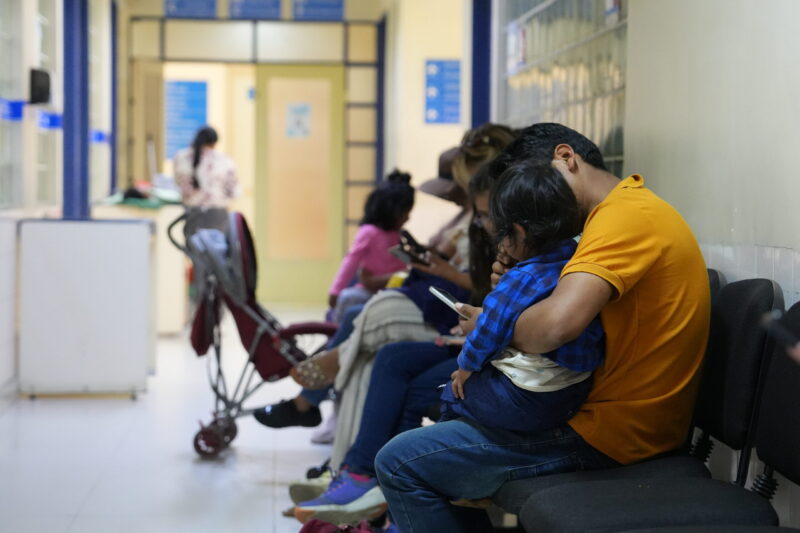
In Bolivia, an innovative initiative is transforming the manner in which mothers, fathers, and caregivers accompany the growth of young children. It is known as Vroom, a project that demonstrates that the most ordinary moments—such as speaking, playing, or simply observing together—may become powerful opportunities for learning.
Early childhood development is fundamental to future well-being. Upon this premise, Vroom advances a simple yet scientifically grounded methodology: to make use of daily interactions in order to strengthen the cognitive, emotional, and social capacities of children under five years of age. All this is achieved through five essential actions: observe, follow, converse, take turns, and extend learning.
A Partnership that Makes Change Possible
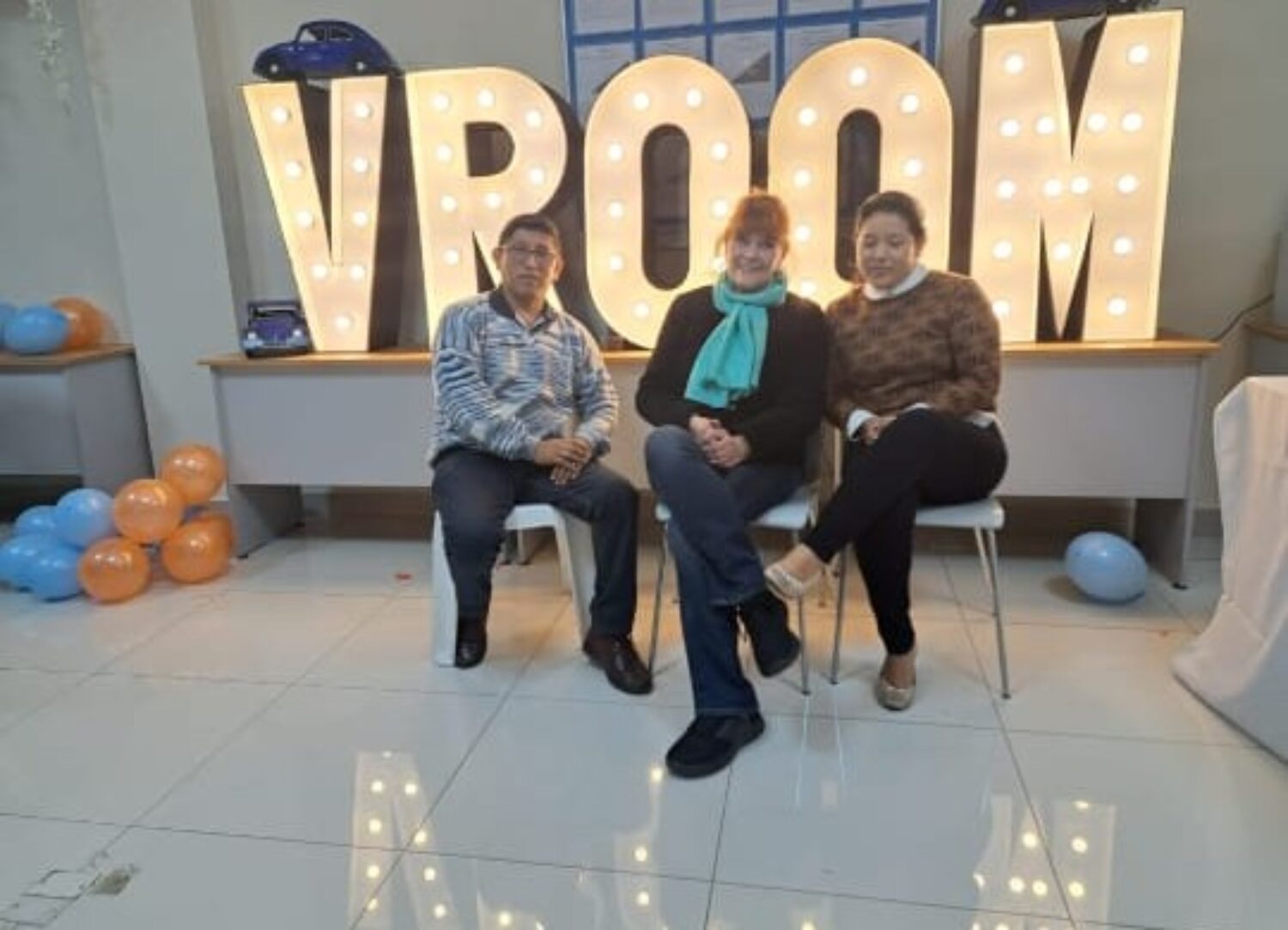
The success of Vroom in Bolivia would not be attainable without the concerted efforts of various institutions. Save the Children leads its implementation, in coordination with the Bezos Family Foundation, creator and financier of the Vroom tool in more than eighty countries. To this alliance are added the Albina R. de Patiño Paediatric Centre, Tukuy Pacha, and municipal governments, alongside technical teams in health, education, and protection.
This inter-institutional collaboration has enabled the project to reach diverse territories across the country, integrating efforts to achieve a tangible and sustainable impact.
Figures that Reflect Impact
- The results of the project speak for themselves:
- During the first phase (2021–2023), in the municipalities of Uncía and Chayanta, more than 1,300 families took part, benefiting approximately 1,500 children, with cultural and linguistic adaptation to the Quechua context.
- In the second phase (2023–2025), with expansion to Cercado, Sacaba, and Punata, nearly 200 practitioners were trained, who now replicate the methodology among thousands of families.
- The project envisages its continuation until 2026, consolidating its sustainability and broadening its reach.
Health and Development: An Integral Approach
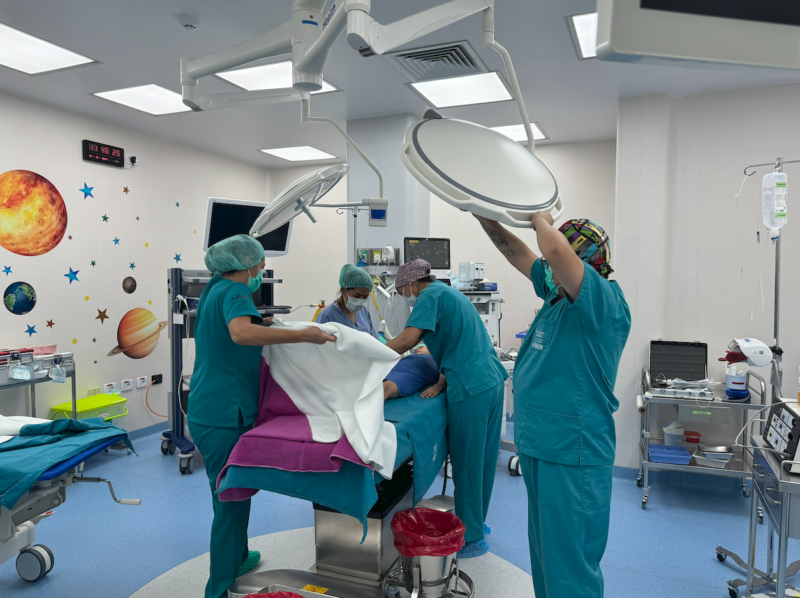
One of the most significant pillars of the project is the participation of the Albina R. de Patiño Paediatric Centre, which contributes from the sphere of health. Its work includes:
- The monitoring of children with developmental delays
- The integration of Vroom into paediatric services
- Direct guidance to families
- The development of strategies for clinical and community continuity
This approach strengthens comprehensive care and aids in the timely detection and attention of potential developmental difficulties.
Beyond Intervention: Sustainability and Expansion
Vroom seeks not only to generate immediate impact but also to leave lasting capacities in place. To this end, the project promotes:
- Ongoing training of local actors
- Institutional strengthening
- Integration into systems of health, education, and protection
Moreover, its model has proven adaptable to diverse contexts, including hospital settings, and forms part of a global network present in more than eighty countries.
Transformations that Begin at Home
Among its principal achievements are personalised attention to children with developmental delays, educational home visits, and a greater involvement of families in child-rearing.
Yet perhaps the most profound change is less visible: a new manner of relating to childhood, grounded in respect, communication, and affection, which also contributes to the prevention of violence.
A Commitment to the Future
Vroom in Bolivia is more than a project; it is a commitment to integral development from the earliest years of life. Its experience demonstrates that, when interventions are culturally pertinent and institutions work in concert, it is indeed possible to bring about profound transformation.
In every conversation, in every game, and in every shared moment, the future of thousands of children is being quietly shaped.